How To Hunt Whitetail Buck Rub Lines
Nothing gets your heart racing like spotting a fresh buck rub.
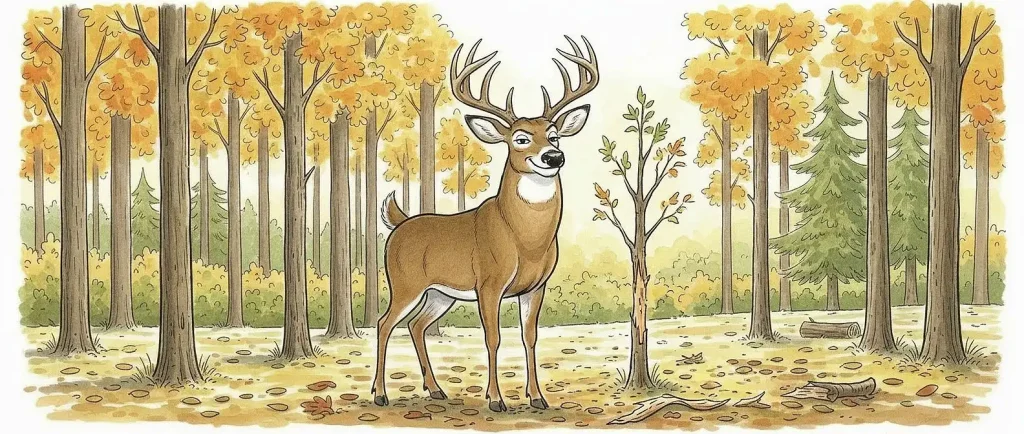
You’re making your way through the woods, trying to stay quiet. Then suddenly, there it is—a tree with its bark freshly peeled, bright wood exposed, maybe some shavings on the ground. Instantly, your imagination kicks in.
A buck was right here.
Maybe even a big one.
But don’t get fooled. Finding a single rub doesn’t mean you’ve found the magic spot. Sometimes a buck just stopped for a second. Sometimes he did it after dark. Sometimes, it just looks better than it is.
An actual rub line tells a different story.
A solid rub line spells out how a buck slips through an area. It lets you see where he feels safe, which trails he prefers, and maybe gives you a chance to slip in and intercept him.
Learning to hunt Rub Lines might be one of the best skills you can have as a whitetail hunter. The trick is knowing when a rub line matters—and when it’s just nice scenery.
In this article, I’ll show you how I read Whitetail Rub Lines, decide which ones deserve your time, and use down-to-earth Rub Line Tactics to get within striking distance of mature deer.
Why Most Hunters Misread Whitetail Buck Rub Lines
The biggest trap for hunters? Getting hyped up about one big rub.
I’ve done it, too. Sometimes you spot a big rub, stare at it like you’ve just found gold, and immediately picture a huge buck cruising by at noon.
But then you hunt there and see nothing but squirrels—or one deer way out of shooting range.
A big rub doesn’t guarantee it’s a killer spot.
Bucks rub trees for lots of reasons—shedding velvet, working out their necks, leaving some scent, or flexing their attitude. Some rubs are made as part of their routine, others happen at random.
That’s why I never judge a spot by a single rub. I want to see where the rub fits with everything else.
A real rub line, though, it actually connects things.
Maybe it links bedding cover and a food source. It might trace a ridge, bench, creek bottom, ditch, saddle, field edge, or funnel of timber. You often find them on the downwind side of doe bedding when bucks are fired up in late October.
Where the rub sits is more important than how dramatic it looks.
A big splashy rub way out on a field edge may look cool, but the buck probably did it at night. A string of fresher, smaller rubs buried back in thick stuff might not look as flashy but could be much better for hunting.
When I find Buck Rubs, I start asking myself:
How close is bedding cover?
Where are the nearest groceries—acorns, fields?
Is the buck using cover, terrain, or wind to stay concealed?
Can I get in and out without blowing out half the county?
Is the sign brand new?
Are the rubs facing the same way?
Once that stuff starts making sense, I slow down and really focus on the spot.
What Rub Lines Can Tell You About a Buck
Rub lines aren’t magic. They won’t spell out everything. Still, they give you clues, and stacking up those clues is what puts the puzzle together.
Rub Lines Can Show Travel Direction
One of the first things I notice is which side of the tree gets worked over.
Usually, bucks rub the side of the tree as they walk along. If a bunch of rubs along a trail all face the same way, that helps you figure out which way he’s traveling.
Say you see rubs facing out of bedding, heading toward a food source. That usually means it’s an evening path. If they face back toward bedding, that points to morning movement.
It’s not an ironclad rule. During the rut, bucks can act like they ran out of brain cells. Still, mix in rub direction with what you know about the terrain, cover, wind, tracks, and trail cam pics—it all helps.
Rub Lines Can Reveal Security Cover
Older bucks don’t stroll around wide-open fields unless they have to.
That’s why I pay special attention to rub lines back in thick cover. A line of rubs in a dense creek bottom, along a brushy ridge, through skinny woods, or close to a bedding area always grabs my attention way more than some torn-up saplings by a field.
Cover builds confidence for a buck.
And when a buck feels safe, you’ve got a real chance for daylight action.
If I see fresh rubs where a buck can travel hidden, that spot is going on my shortlist.
Rub Size Can Help, But It Is Not Everything
Yeah, big rubs are worth noticing. A mature buck with some heft and a solid rack can whale on bigger trees. When I find a string of large rubs on the same route, I want to know more.
But I don’t get hung up on size.
Little bucks will tear up a big rub after a bigger buck starts it. Big bucks aren’t picky—they’ll rub small trees, too. Rarely does one thing tell the whole story.
So I look at everything: rub size, freshness, tracks, how thick the cover is, terrain, nearby food or bedding, wind, and any camera shots I have.
Sure, a giant rub is cool.
But a fresh line of rubs through hidden cover? That’s the kind of thing you can plan a hunt around.
My 5 Best Rub Line Tactics
When I follow a rub line, I’m not hunting the best-looking tree—I’m piecing together what the buck’s doing and how I can get in range without tipping him off.
You want to hunt the pattern, not just the rub.
1. Find the Rub Line, Then Find the Reason
A rub line only matters if you figure out why it’s there.
I see fresh rubs, and I immediately zoom out to the wider area. What’s the buck connecting—bedding to food? Cruising between doe bedding? Following a ridge, crossing a creek, moving along a ditch or edge?
Usually, a good rub line makes sense when you look at the lay of the land.
Like a line of rubs along a brushy creek between bedding and acorns—that’s worth a closer look. Or a rub line downwind of doe bedding in October. Or a line running through a skinny funnel between two open areas.
Don’t just set up over torn-up bark.
Figure out what the buck’s after.
2. Backtrack Field-Edge Rubs Into Cover
Field-edge rubs are easy—you spot them, you get excited.
The truth? Bucks probably make most of those after dark. If you put a stand right on them, you’re hunting yesterday’s activity, not where you need to be.
When I find field-edge rubs, I follow them back into the thicker stuff.
I’m searching for where the buck sets up before dark—a staging area. That’s usually where he lingers before hitting the food. These zones have rubs, scrapes, tracks, and cover.
This move is one of my go-to Rub Line Tactics. It nudges you closer to daylight movement.
Instead of hoping a buck steps out after dark, you’re meeting him where he already feels safe.
3. Focus on Freshness
Fresh sign is everything.
Fresh rubs show off bright wood, loose bark, sap, and kicked-up leaves. Old rubs just look gray and crusty.
Fresh rubs show what’s happening now.
Old rubs do have value, though—if you see a route that gets used year after year, bucks clearly like that spot. But before I set up, I want to see current proof.
If new rubs keep showing up along a route, bucks are still coming through.
If those rubs pop up in secure cover, that gets my attention.
4. Use Trail Cameras Carefully
Cameras are great for confirming what’s using a rub line, but they can blow your spot if you tromp through the same place over and over.
I avoid walking right down a rub line for every card pull – if I’m not using a cellular camera, which I mostly am anymore. Each trip leaves scent, and eventually even a young buck will get wary—a mature one will just ghost out. Getting a cellular camera and stocking if with fresh batteries months before the season opens should keep you in good shape.
When I hang a camera near a rub line, I try to keep it easy to reach with as little mess as possible—creek beds, logging roads, field edges, ditches, downwind routes.
The goal is simple.
Get the intel without educating your target.
5. Set Up Where the Wind and Terrain Work Together
The best stand isn’t always right on the best rub.
I’m looking for a spot where the rub line, terrain, wind, cover, and my access all play nice.
That might be a saddle, a bench, a crossing, a brushy point, a staging area, or the classic pinch point—anywhere a buck’s travel options get funneled tight.
But the wind is everything.
If your scent blows into bedding or across where the buck will walk, don’t hunt it. I’d rather wait for a safe wind than wreck a stand by forcing the issue.
Rub lines show you a buck’s preferred area.
A smart setup actually puts you in business.
Best Times to Hunt Rub Lines
Rub lines help all season, but how I use them changes as the months tick by.
Early Season
In early season, I stick to rub lines between bedding and food.
Think evening setups. Bucks move from thick cover toward acorns, fields, or browse. If fresh rubs pop up on that path, especially back in the brush, it might be worth an evening sit.
I stay low-key, though.
Early bucks can be predictable but are easy to spook. One bad wind, noisy slip in, or careless exit and you can bust the pattern fast.
Pre-Rut
Pre-rut is probably my favorite for hunting rub lines.
Bucks are ramping up. There’s more sign, more movement, and they check does but stay on their usual routes.
That’s when fresh Whitetail Rub Lines really matter.
I seek rub lines near staging areas, doe bedding, funnels, and travel routes. If fresh rubs pop up in cover, I take that seriously.
I might call lightly—maybe a grunt or soft rattle if it feels right. But I keep it subtle. Go overboard and you’ll silence the woods.
A little calling works.
Too much, and you just educate the deer.
Peak Rut
During the rut, bucks turn unpredictable.
One day, a buck’s locked to his pattern. The next, he’s chasing a doe across three counties.
Rub lines still help in rut, but I mix them with other clues.
Now, I focus even more on doe bedding, funnels, creek crossings, saddles, and pinch points. If a rub line runs through a funnel, it’s even better.
I want to be where bucks cruise looking for does—rub lines just help me fine-tune locations.
Late Season
After the rut, bucks are worn down and want food, cover, and no stress.
Late-season rubs near bedding and food sources matter again, especially during a cold snap.
Fresh rubs between thick cover and reliable food get my attention, but patience and quiet access are even more important. The survivors are cautious.
Common Mistakes to Avoid
Hunting One Big Rub With No Pattern
A single rub is just a single clue. Look for a real line of rubs, fresh sign, tracks, and a logical route before you get excited.
Ignoring the Wind
A nice rub line won’t save you from a bad wind. If your scent blows into bedding or across a travel trail, hold off for better conditions.
Walking the Rub Line Too Often
Over-scouting ruins good spots. Get your info, keep your scent low, and stay out unless you need to be there.
Setting Up Too Close to Bedding
Being aggressive can pay off, but bump a mature buck from his bedroom and you might never see him in daylight again.
Hunting Field-Edge Rubs Only
Easy-to-find rubs out by a field usually mean night-time activity. Backtrack those into cover.
Forgetting Entry and Exit Routes
Even the best stand means nothing if you blow deer out walking in or out. Plan how you slip in and out before you ever climb the tree.
Practical Rub Line Takeaways
When you spot rubs, slow down, and really read the area.
Look for a consistent pattern, not just random sign. Fresh rubs in hidden cover are usually better than older ones in open spots. Use the direction of the rubs to get a sense of travel routes. Trace field-edge rubs back toward bedding or to staging.
Put the focus on funnels, saddles, benches, creek crossings, and pinch points where rub lines connect. Use trail cams smartly—don’t over-check them, and this shouldn’t be a problem with the newer cellular game cameras.
Hit fresh rub lines hard pre-rut. During full rut, use rubs to refine your setups around doe movement. Late season, focus on lines between food and bedding.
The best Rub Line Tactics come from reading the whole situation, not just staring at torn-up bark.
FAQ About Rub Lines
Conclusion
Rub lines are one of the best clues a deer hunter can learn to read—but only if you see the bigger picture.
A single buck rub is exciting.
A real rub line? That’s a clue-filled roadmap.
When I find Whitetail Rub Lines, I slow down and look at everything—freshness, direction, terrain, cover, bedding, food, wind, and my own way in and out. Then I pick a setup where I can catch the buck moving without letting him know I’m hunting him.
That’s the difference between just noticing Buck Rubs and actually using them to put yourself in the driver’s seat.
Next time you find a fresh line of rubs, don’t just stop and stare or head straight for the nearest tree stand. Soak the spot in. Ask yourself where that buck came from, where he’s heading, and how you can sneak in undetected.
Suddenly, rub lines aren’t just torn-up trees.
They become one of those game-changing whitetail deer hunting tips you’ll use season after season.